Roof Problems: When a Repair May Be Enough and When to Investigate Further
Roof repair may be enough when damage is localized and the roof system remains sound. Replacement becomes more likely when damage is widespread, recurring, or tied to aging materials; HomeRemodelSammamish.com can assess the roof and explain the next step.
Request an Estimate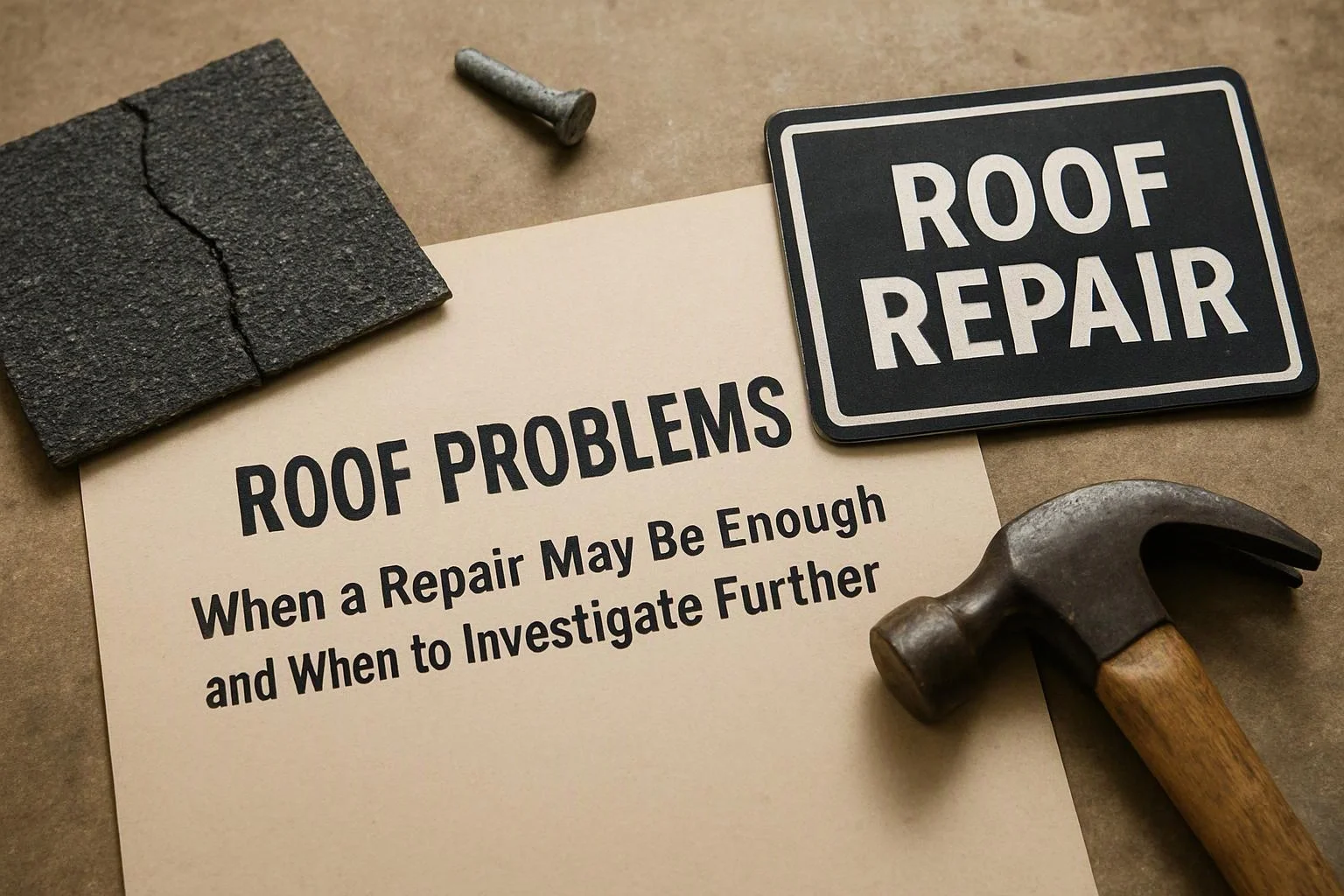
How to Tell Whether a Roof Problem Needs Repair or Replacement
Roof repair fits localized damage on a sound roof, while roof replacement fits widespread or recurring damage that affects the roof system.
A localized defect may involve one leak, damaged flashing, or a small area of missing shingles. The surrounding shingles, underlayment, roof decking, and drainage should still perform properly.
Widespread damage changes the repair decision. Repeated leaks, broad shingle wear, moisture intrusion, or structural movement can show that the roof system needs a larger review. Our Roof Repair service begins with checking the source and connected materials.
What Roof Damage Looks Like at a Glance
Roof damage needs further investigation when visible defects connect with leaks, moisture, structural movement, or repeated repairs.
Some warning signs are easy to see from the ground. Others appear inside the home or in the attic. The table shows what each sign may mean and what we check next.
| Visible or interior sign | What it may indicate | What we investigate |
|---|---|---|
| Roof leak | Water intrusion through a roof opening or failed component | The water path, flashing, roof penetration, and nearby materials |
| Missing shingles | Wind damage or exposed underlayment | The shingle field, fastening, and moisture entry points |
| Curling shingles | Shingle wear, heat stress, or moisture exposure | How broadly the wear extends and whether shingles still seal |
| Granule loss | Surface wear that may reduce shingle protection | The roof condition and signs of aging across nearby areas |
| Damaged flashing | A weak point around an edge, joint, or penetration | Seal condition, installation, and the connected water path |
| Sagging roof | Trapped moisture, soft decking, or structural damage | Roof decking, framing, drainage, and roof safety |
| Attic moisture | An active or past leak, poor airflow, or condensation | Insulation, wood framing, ventilation, and moisture damage |
Mistakes That Make Roof Problems Worse
Roof maintenance and leak detection work best when the whole water path is considered. A quick surface fix can hide a larger roof issue and delay the right repair decision.
We look for connected failures before we define a repair scope or replacement scope. The following mistakes often make moisture damage harder to control.
Mistake 1: Patching the Visible Leak Without Tracing Its Source
A visible roof leak may start away from the ceiling stain. Water can travel along roof decking, framing, or flashing before it reaches the interior.
Surface patching can fail when the real opening remains active. We trace the water path and inspect roof penetrations before choosing a repair.
Mistake 2: Treating Missing or Curling Shingles as a Cosmetic Issue
Missing or curling shingles expose the roof to moisture intrusion. Wind damage can also loosen nearby shingles that still appear present.
Shingle replacement may work when damage is limited and nearby materials remain sound. Widespread wear needs a broader roof assessment because repeated small repairs can leave the roof vulnerable.
Mistake 3: Ignoring Ceiling Stains and Damp Attic Materials
A ceiling stain or damp attic material can show active or past roof moisture. Wet roof insulation and wood framing can also raise the risk of mold and further moisture damage.
We investigate the source before surface repairs hide the problem. Drywall repair cannot stop a roof leak, so the roof and attic need attention first.
Mistake 4: Replacing a Few Shingles Without Checking Nearby Materials
A small shingle repair can fail when nearby underlayment, decking, or flashing is damaged. The surface may look fixed while water still enters below it.
We check the shingle field and connected roof components before a localized roof repair. That review helps define the actual repair scope.
Mistake 5: Assuming Every Old Roof Needs Immediate Replacement
Roof age alone doesn’t decide replacement because condition, leak history, and damage spread also guide the recommendation.
Maintenance history can show whether problems are isolated or recurring. We review remaining serviceability before recommending roof replacement.
Mistake 6: Using Interior Repairs to Hide Ongoing Roof Damage
Interior patching treats the visible result, not the roof leak. Drywall and paint can look restored while water damage continues above them.
We address the roof source before restoring damaged interior surfaces. An attic inspection helps connect the ceiling repair with the roof condition.
Mistake 7: Overlooking Sagging Areas and Soft Roof Decking
A sagging roof or soft decking can signal deeper moisture or structural damage. Trapped moisture may weaken the roof deck and affect roof safety.
We stop treating these signs as a simple shingle repair. Our review focuses on decking, framing, drainage, and the safe repair scope.
Mistake 8: Choosing a Repair Without Reviewing the Whole Roof System
A roof repair decision should account for shingles, underlayment, flashing, ventilation, and drainage. Connected failures can make a patch short-lived.
We review the roof system as a working assembly. That process helps us separate a focused repair from a replacement scope.
When a Roof Leak Usually Needs Repair
A roof leak usually needs repair when the source is localized and the surrounding roof materials remain sound.
An isolated leak near flashing or one roof penetration may fit a focused repair. We still check nearby shingles, underlayment, roof decking, and interior moisture before closing the scope.
Repair becomes less suitable when the leak keeps returning or appears in several areas. Those patterns call for a roof replacement assessment or further investigation.
When Roof Damage Needs Further Investigation
Roof damage needs further investigation when leaks recur, defects spread, attic materials stay damp, or the roof structure shows movement.
A recurring leak can point to an unresolved water path or a failing connected component. Widespread shingle damage, soft decking, and sagging can show that a surface repair won’t address the full issue.
We use these findings to compare repair and replacement scopes. The recommendation follows the roof condition, not one visible defect alone.
How We Check the Roof Before Recommending Repair or Replacement
Our roof inspection connects visible damage with attic conditions and the full roof system.
We also consider safe work practices and applicable inspection criteria for the project. Regulated roofing and structural work should be handled by our qualified crew, not through unsafe ladder or roof access.
What Changes the Cost of This Roof Decision
Roof repair or replacement cost depends on damage extent, roof access, materials, and whether underlying components need work; our Free Consultations help define the scope before we provide a quote.
Roof size and access affect the work involved. Damage to underlayment, decking, or flashing can expand the scope beyond surface shingles.
Material selection also changes the replacement scope. Our quote explains the observed damage, selected materials, affected components, labor, and cleanup so you can understand what the work includes.
When to Call HomeRemodelSammamish.com Instead of Doing It Yourself
Roof safety concerns call for our crew when the problem involves height, active water entry, or possible structural damage.
You can move belongings away from interior water and place a container under a drip when safe. Don’t climb onto a wet roof or disturb soft decking.
What to Expect From a Roof Repair or Replacement Quote
A roof quote should explain the observed damage, recommended scope, materials, affected roof components, and work needed to complete the project.
Our quote connects inspection findings to the proposed work. It should identify whether the scope includes shingles, underlayment, flashing, roof decking, ventilation, or drainage work.
We also explain labor and cleanup. If the roof needs replacement, the replacement scope should show how the work addresses the roof system instead of only the visible surface.
How to Protect the Roof While You Arrange an Assessment
Temporary protection can limit interior water damage while you arrange a roof assessment.
Documenting visible stains can help us compare conditions during the roof inspection. Avoid sealing or painting over stains before the moisture source is checked.
Questions About Roof Repair or Replacement Signs
Can a roof leak be repaired without replacing the whole roof?
Yes, a roof leak can be repaired without full replacement when the source is localized and nearby materials remain sound.
What do missing or curling shingles indicate?
Missing or curling shingles indicate possible wind damage, shingle wear, or moisture exposure. The spread of the damage determines whether shingle repair may be enough.
Can ceiling stains point to roof damage?
Yes, a ceiling stain can point to roof damage, but water may travel before reaching the stain. The roof leak and water path need investigation before interior repairs.
What should I do if my attic materials feel damp?
Damp attic materials should be assessed for a roof leak, condensation, and moisture damage. Avoid walking on unsupported surfaces, and arrange an attic inspection.
Does a sagging roof always need replacement?
No, a sagging roof does not always decide the final scope by itself. Sagging needs prompt investigation because it can involve soft decking, trapped moisture, or structural damage.