Flooring Warning Signs to Investigate Before Installing New Floors
Flooring problems such as buckling, cracked tile, widening wood gaps, and uneven floors often point to moisture, movement, or subfloor damage. At HomeRemodelSammamish.com, we check the cause before recommending new flooring, so the replacement addresses the underlying problem.
Request an EstimateWhy Flooring Problems Need Investigation Before Replacement
Flooring replacement should be investigated first because new materials can fail when the cause remains. A damaged subfloor can affect hardwood, tile, and luxury vinyl plank flooring.
Moisture damage can weaken the floor assembly and encourage further decay. Floor movement can also cause installation failure when the surface or framing remains unstable.
Our team looks beyond the visible finish. We identify whether the problem comes from moisture, the subfloor, floor movement, or poor installation before we plan the next step.
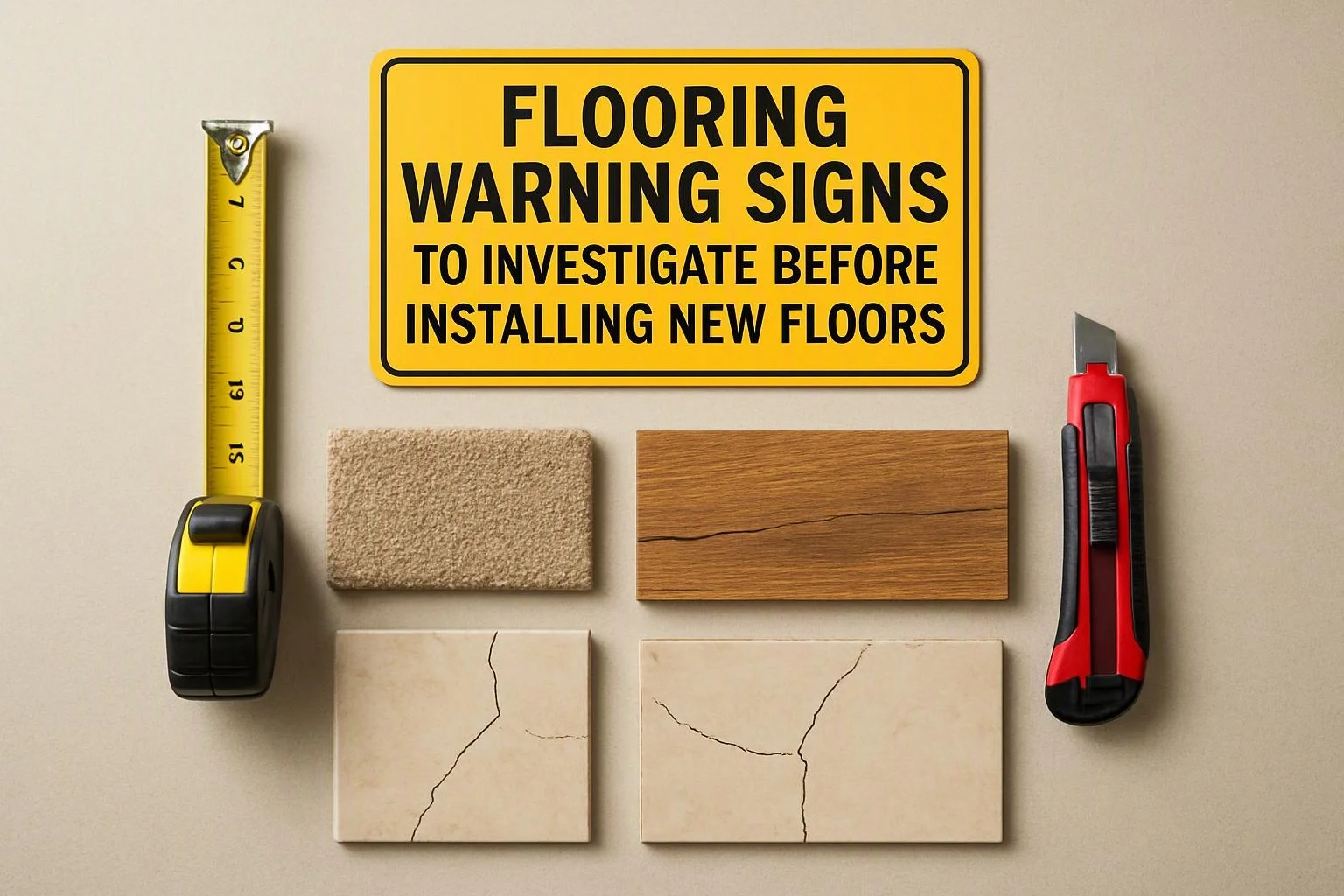
Flooring Warning Signs and Likely Causes
The visible warning sign helps guide the investigation, but the subfloor and moisture conditions determine the correct fix. Our crew connects each surface issue to the floor assembly below it.
The same symptom can have more than one cause. We check the surrounding floor, edges, joints, and nearby moisture sources before choosing a repair or replacement plan.
| Warning sign | Possible cause | What we investigate |
|---|---|---|
| Buckled or curling flooring | Moisture, humidity, or limited expansion space | Moisture source, edges, and movement |
| Cracked or chipped tile | Movement, impact, or installation failure | Tile bond, grout, underlayment, and subfloor |
| Uneven or sloping floor | Subfloor, joist, or settlement concerns | Floor level and floor preparation needs |
| Widening wood gaps | Seasonal movement or moisture imbalance | Board movement and moisture conditions |
| Water stains or musty odors | A leak or trapped moisture | Moisture source and subfloor damage |
| Soft or spongy areas | Water damage or a weakened subfloor | Floor support and safe repair scope |
| Loose or hollow flooring | Adhesive, underlayment, or bond failure | Floor movement and installation bond |
| Squeaks or popping sounds | Movement between flooring and framing | Fasteners, joists, and the floor assembly |
Buckled or Curling Flooring
Buckling flooring often indicates moisture, high humidity, or insufficient expansion space. Boards swell when they absorb moisture and may press against walls or other flooring.
Our team checks the flooring edges, nearby plumbing, exterior openings, and room conditions. We also check whether the flooring has enough room for normal movement.
The fix may involve correcting the moisture source, improving the edge clearance, repairing the subfloor, or replacing damaged material. New flooring should wait until the area is dry and stable.
Cracked or Chipped Floor Tile
Cracked tile can indicate impact damage, movement below the tile, or a weak installation bond. A single chip may come from impact, but repeated cracks deserve a wider inspection.
We check the tile installation, grout joints, underlayment, and subfloor movement. Hollow or loose tile can show that the adhesive bond has failed.
The fix may be a localized tile replacement or broader floor preparation. Tile installation over a moving or uneven base can lead to more cracked tile.
Uneven or Sloping Floors
An uneven floor can result from an irregular subfloor, joist movement, settlement, or poor floor preparation. A slope and a small surface dip do not always point to the same cause.
Our crew checks the floor level and looks for changes across the room. We consider the joists, subfloor panels, transitions, and the planned flooring material.
The fix may include leveling, subfloor repair, or framing work before installation. Floor preparation determines whether hardwood, tile, or luxury vinyl plank flooring will perform properly.
Widening Gaps Between Wood Planks
Widening gaps between wood planks usually reflect seasonal movement, changing moisture balance, or board movement. Hardwood flooring expands and contracts as room conditions change.
We check whether the gaps appear across the room or only in certain areas. We also look for loose boards, moisture concerns, and installation conditions.
Small seasonal gaps may change as the room returns to a steadier moisture balance. Larger or persistent gaps may need board repair, refinishing, or replacement planning.
Our Hardwood Flooring Installation process includes floor preparation and an assessment of movement before new boards are installed.
Water Stains, Discoloration, or Musty Odors
Water-stained flooring should be investigated before replacement because the visible mark may not show the full damage. A leak can affect the finish, subfloor, insulation, and nearby floor support.
Our team looks for the moisture source and checks whether the area remains damp. We also consider mold risk when moisture has stayed trapped below the flooring.
The fix may require leak correction, drying, subfloor repair, or replacement of affected materials. Covering the stain with new flooring can hide the problem and lead to another flooring failure.
Soft, Spongy, or Weak Areas
Soft spots or a spongy floor can indicate a rotted subfloor, water damage, or weak floor support. The surface may feel flexible because the material below has lost strength.
We inspect the surrounding area and determine whether the weakness is limited or widespread. We also check the subfloor and the support provided by the framing.
The fix may include subfloor repair, support work, and replacement of damaged flooring. New materials should not cover a weak base.
Loose, Hollow, or Moving Flooring
Loose flooring can indicate adhesive failure, an unstable underlayment, or movement below the finished surface. Hollow tile can also show incomplete contact between the tile and its setting material.
Our crew checks the installation bond and the condition of the underlayment. We look for patterns that show whether the issue is isolated or connected to floor movement.
The fix may involve rebonding, replacing sections, correcting the underlayment, or preparing the subfloor. The right repair depends on the flooring material and the cause of movement.
Persistent Squeaks, Popping, or Floor Noise
A squeaking floor or popping sound often indicates movement within the floor assembly. Fasteners, joists, subfloor panels, and finished flooring can move against one another.
We trace the sound and inspect the related floor areas. The location of the noise helps us decide whether the concern involves the finish, subfloor, or framing.
The fix may involve securing the floor assembly or repairing damaged materials. New flooring can make the noise harder to access, so investigation should happen before installation.
What We Check Before Installing New Flooring
Our floor inspection follows the condition of the finished surface down to the subfloor. Each step helps define the preparation and flooring material that fit the space.
We explain the findings before building the scope of work. That approach keeps the installation quote tied to the actual floor conditions.
How the Existing Problem Changes the Flooring Plan
The flooring plan changes when moisture, movement, damage, or unevenness affects the surface or the subfloor. Our team uses those findings to set the preparation scope and select suitable materials.
Hardwood flooring installation needs a stable, prepared base and room for expected movement. Hardwood floor refinishing may suit boards that remain sound but have surface wear.
Luxury vinyl plank flooring can work in many settings, but it still needs a suitable floor level. Tile installation needs a firm base with the right underlayment and movement control.
We explain which repairs belong in the project before final material selection. The quote should show the preparation, installation, material work, and finish details included in the plan.
When to Call HomeRemodelSammamish.com Before Removing Flooring
Call us before removal when the visible problem may involve water, movement, or subfloor damage. Early review helps protect the floor assembly and keeps the project scope clear.
Our team can help assess the condition and explain the preparation needed before replacement. You can request a flooring consultation through our contact page.
How to Request a Flooring Consultation
A flooring consultation identifies the warning signs, the needed preparation, and the work included in the project quote. We begin by discussing the room, the current flooring, and the changes you want.
Our team then reviews the floor condition and material options. We explain whether the scope includes removal, subfloor repair, leveling, underlayment, installation, or finish work.
Bring notes about leaks, recurring noise, past repairs, and changes in the floor. Those details help us connect the visible problem to the correct project plan.
Request your assessment through our contact page. Free Consultations are available for discussing your flooring needs.
Questions About Flooring Warning Signs
Can you install new flooring over an uneven floor?
New flooring can go over an uneven floor only when the floor meets the material’s preparation needs. Our team checks the floor level and corrects unsuitable areas before installation.
Can buckled flooring be repaired without replacing the subfloor?
Buckled flooring can sometimes be repaired without replacing the subfloor when the subfloor remains dry, strong, and stable. Our inspection determines whether the moisture source, flooring edges, and finished material need attention.
Does cracked tile always mean there is a subfloor problem?
Cracked tile doesn’t always mean there is a subfloor problem. Impact damage, loose tile, weak underlayment, installation failure, and subfloor movement can all cause cracks.
Can hardwood floor gaps close on their own?
Hardwood floor gaps can change as seasonal moisture conditions change, but persistent or widening gaps need investigation. Our team checks board movement, moisture balance, and the installation before recommending refinishing or repair.
Should flooring be removed after a water leak?
Flooring should be assessed after a water leak because removal depends on the moisture source, drying condition, and subfloor damage. Our team checks the affected materials before planning repair or flooring replacement.
Related Resources
Choosing Flooring for a Remodel: Hardwood, Refinishing, and Luxury Vinyl Plank
What It CostsKitchen Remodel Cost Factors to Discuss Before Requesting a Quote
What It CostsBathroom Remodel Cost Factors to Review With a Contractor
What It CostsWhole-Home Remodel Cost Factors and Quote Preparation