What trim installation issues should homeowners watch for Trim Carpentry?
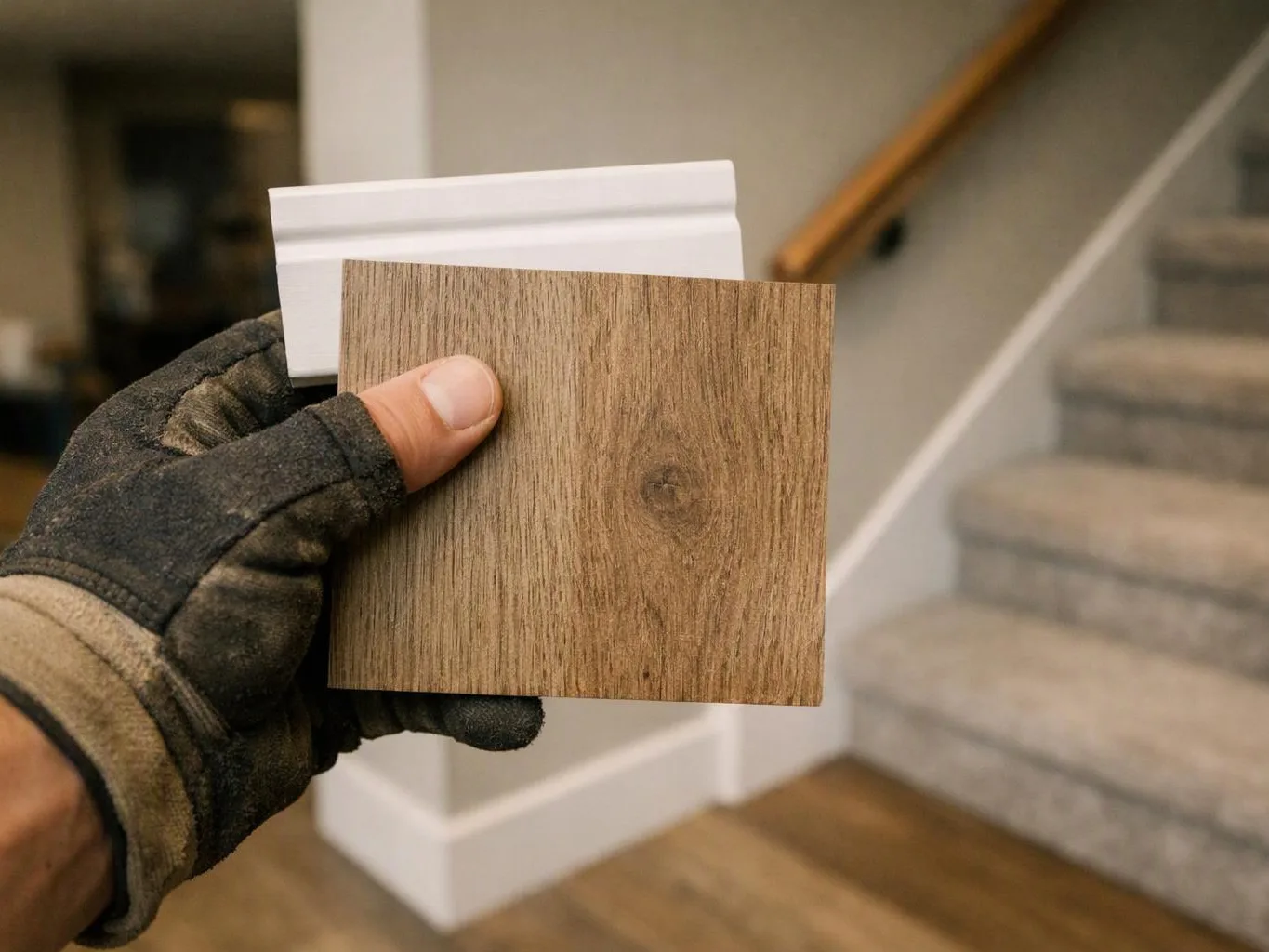
Open joints, nail pops, uneven reveals, and split molding are key trim installation issues to watch for. Each sign points to a different check before repair. We inspect the joint, fasteners, profile, and wall contact, then explain whether adjustment or replacement fits the condition. Early scope review helps keep visible finish work tied to the actual problem.
How does a trim carpenter differ from a general carpenter for Trim Carpentry?
A trim carpenter focuses on visible finish details, while a general carpenter may handle a wider range of building work. Trim work includes baseboards, casings, crown molding, joints, and reveals. Our general contracting background also helps when trim connects with flooring, doors, cabinets, drywall, or a larger remodel.
For Trim Carpentry, which details should I confirm before approving the work?
The trim profile, replacement areas, finish readiness, and related surface repairs should be confirmed before approval. Ask which pieces will be adjusted and which will be replaced. Also confirm whether paint, drywall, flooring, or door work belongs in the same scope. A written quote should match those decisions.
When does damaged molding need replacement?
Damaged molding needs replacement when cracks, splits, or failed ends prevent a sound fit. Small movement may allow an adjustment if the piece remains intact. The condition of nearby trim also matters because one replacement can affect connected joints. We review the visible section and its transitions before preparing the quote.
Why do trim reveals look uneven after installation?
Uneven reveals usually come from inconsistent positioning, wall variation, imperfect cuts, or movement at the opening. The reveal must be checked beside the door, window, wall, or ceiling where the trim meets another surface. We identify the source first, then decide whether resetting the piece or replacing part of it makes sense.
How should I prepare a room before trim carpentry starts?
Clear furniture and personal items from the work area before trim carpentry begins. Give the crew access to doors, windows, baseboards, and corners that need inspection. Note any areas where flooring, paint, cabinets, or drywall must stay protected. Photos of the affected trim can also help explain the concern during the first discussion.
What changes the quote for a trim replacement?
The quote changes with the amount of damaged molding, the profile match, connected trim, access, and finish work. A single loose joint differs from replacement across several connected sections. We review those conditions during a consultation and provide pricing that reflects the defined scope.