Which material is suitable for durable custom cabinetry?
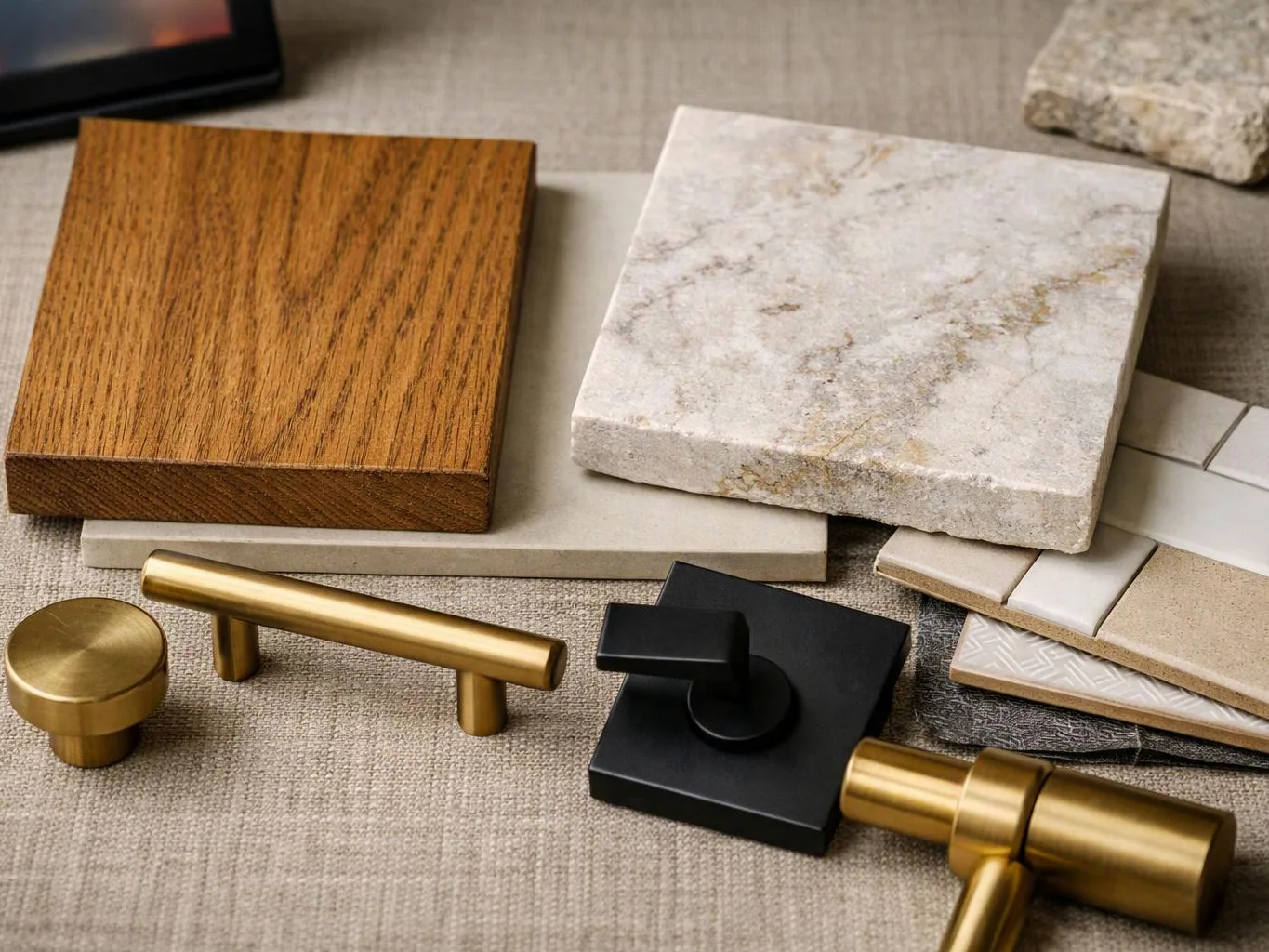
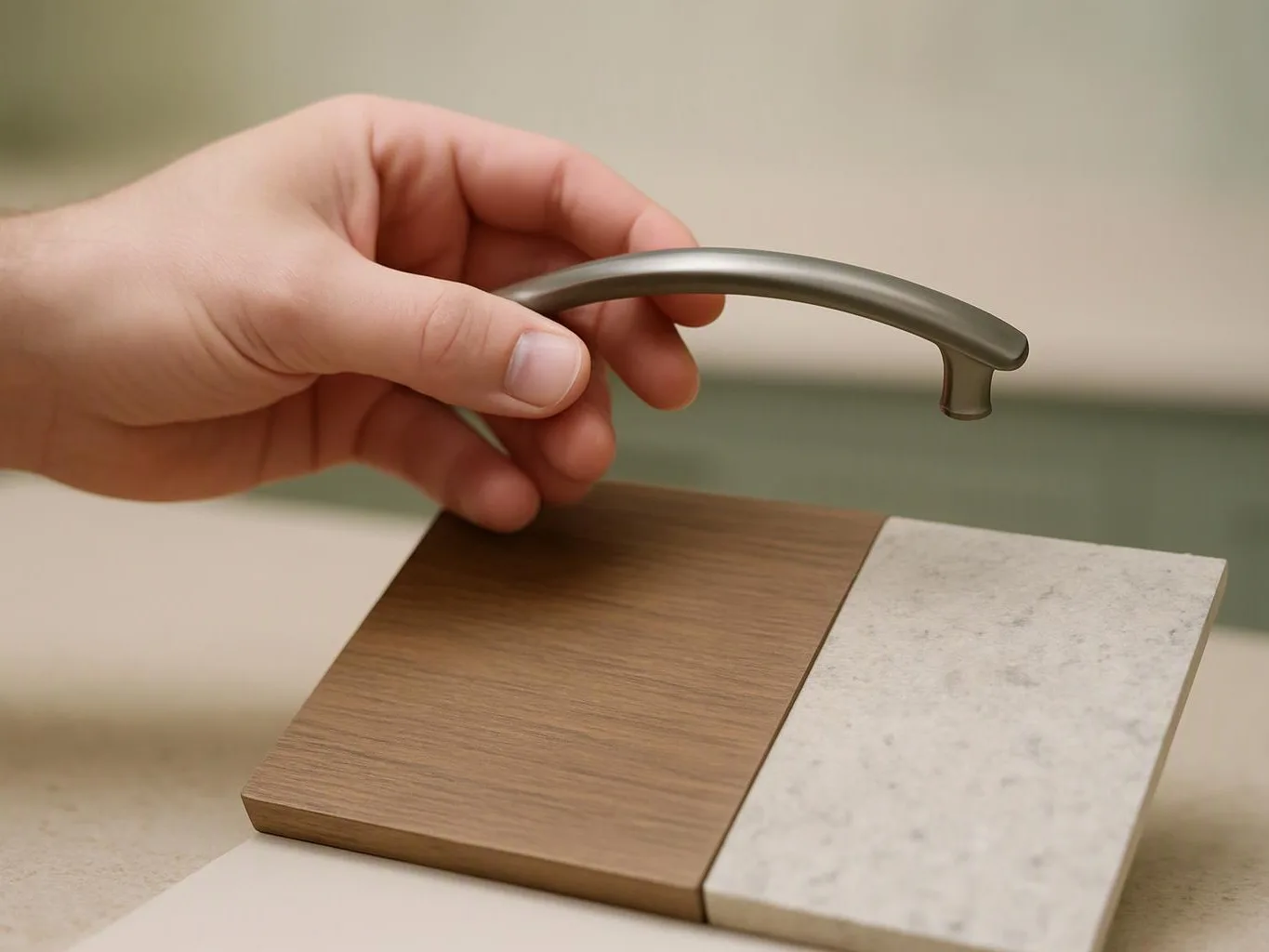
Wood veneer suits durable cabinetry when its finish and core match the room’s use. Hardwood plywood supports many cabinet boxes, solid wood fits selected doors and trim, and high-pressure laminate handles heavy surface wear. Moisture, cleaning, cabinet size, edge details, and the desired look all guide the final choice. We review those factors before quoting the work.
How should I prepare before cabinet planning starts?
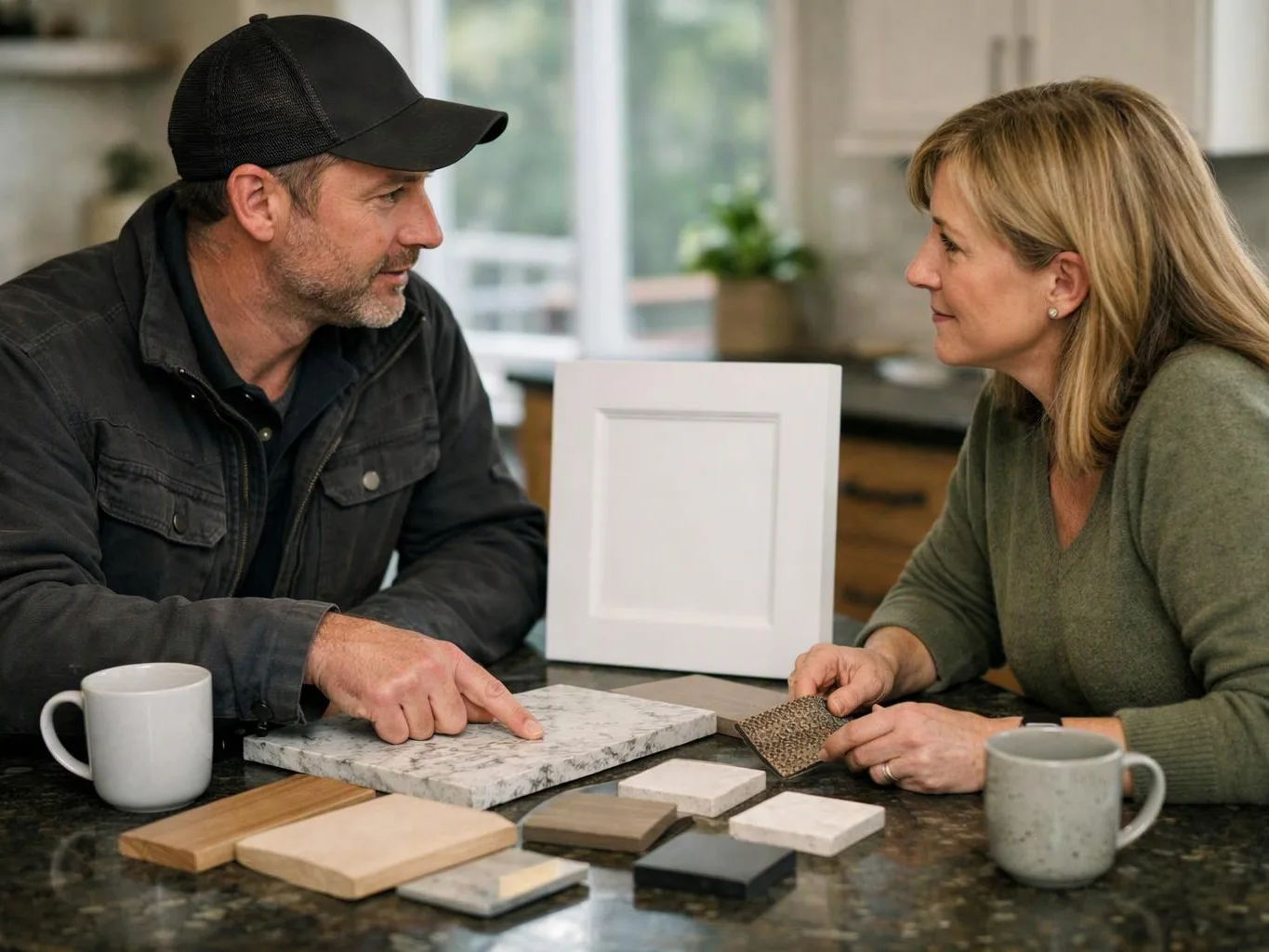
Room access, appliance details, plumbing locations, electrical points, and preferred finishes help start cabinet planning. Remove personal items from the work area and gather product information for appliances that will meet the cabinets. Photos and rough measurements also help. The first discussion can then focus on layout, material choices, and the work that connects to the cabinets.
What details should I confirm before approving the cabinet scope?
The approved scope should identify cabinet locations, materials, finish, hardware, related work, and installation responsibilities. Door style and drawer layout should also be clear before construction begins. Ask how the cabinet plan connects to counters, appliances, flooring, plumbing, and electrical work. A detailed scope reduces confusion when several trades share the same room.
When does a cabinet project need related remodeling work?
Related remodeling work becomes important when cabinets affect plumbing, electrical points, flooring, walls, counters, or appliances. A kitchen change may involve several of these connections, while a cabinet replacement may have a narrower scope. We review the surrounding work before setting the quote. That review helps separate cabinet installation from other requested improvements.
Why choose a design-build contractor for cabinetry?
A design-build contractor connects cabinet design, planning, and construction through one coordinated scope. HomeRemodelSammamish.com provides cabinetry within wider kitchen, bathroom, interior, retail, office, and tenant improvement projects. That approach helps keep cabinet dimensions aligned with related construction. It also gives you one organized discussion for design choices, quotations, and project requirements.
How does high-pressure laminate differ from solid wood?
High-pressure laminate provides a hard-wearing surface, while solid wood offers natural grain and can suit doors, frames, or trim. The better fit depends on the room, cleaning needs, wear, finish, and design. Neither material decides the whole cabinet system by itself. The box, edges, hardware, and installation details also need review.