How can refinishing problems from uneven sanding be avoided?
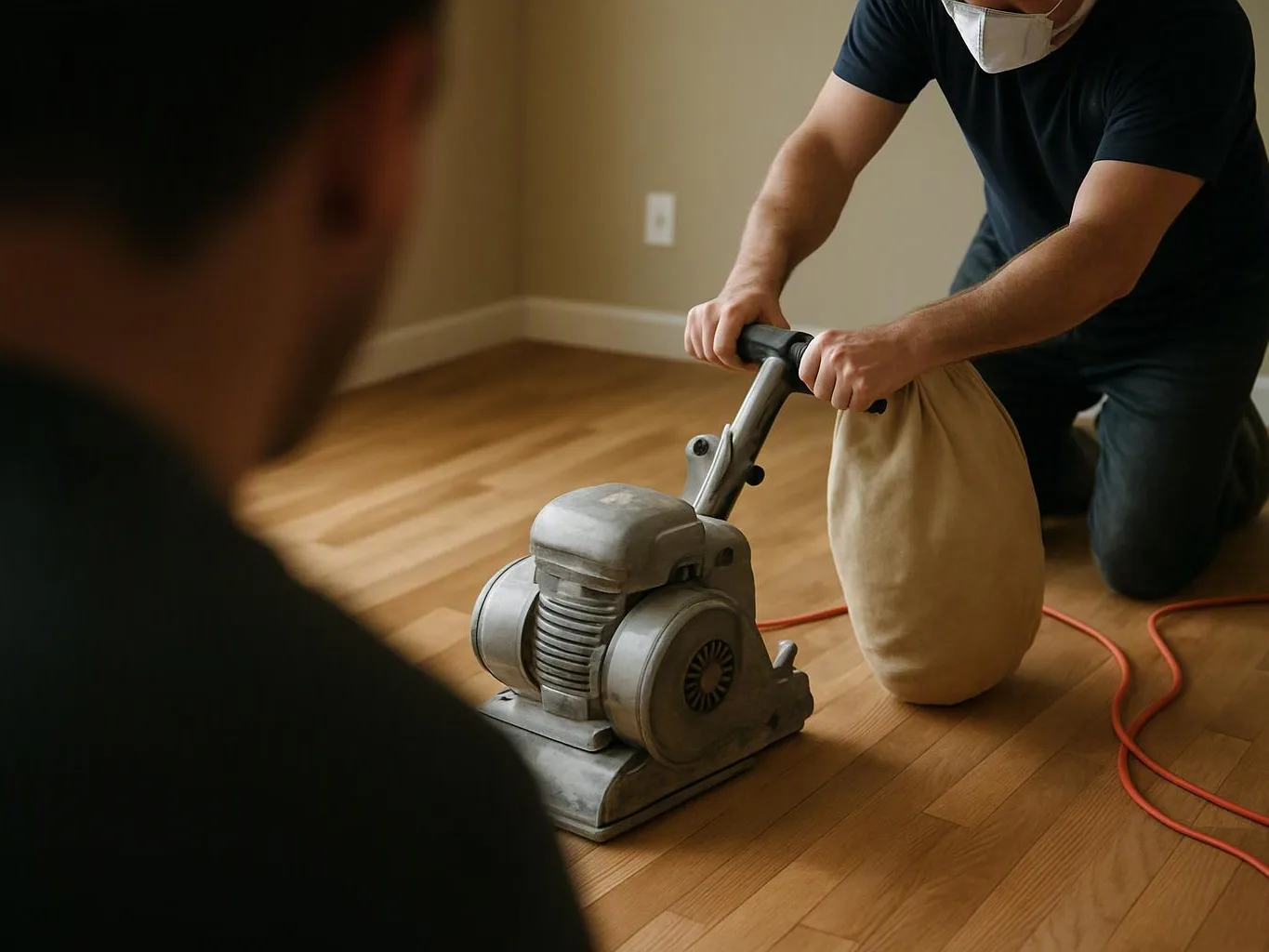
Uneven sanding problems are avoided through a careful surface inspection and controlled sanding plan. The floor should be checked for worn finish, board damage, edges, and transitions before coating begins. Dust control also matters because residue can affect the finish. We explain the condition we find and set the work scope before sanding starts.
What parts of a property change the refinishing scope?
Room layout, fixed cabinets, trim, doorways, transitions, and damaged boards change the refinishing scope. Access around those features affects preparation and sanding. Large connected renovations can add coordination needs. A quote should separate floor work from cabinet, electrical, plumbing, or other construction tasks.
Which surface concerns should be checked before new finish is applied?
Surface checks should cover worn coating, deep scratches, loose boards, residue, finish bubbles, and uneven wear. These conditions affect whether the wood is ready for a new coat. We also look at edges and transitions because defects there can remain visible after the main floor is finished.
When does existing damage call for board repair instead?
Board repair becomes the better fit when wood is missing, loose, deeply damaged, or unsuitable for further sanding. Refinishing renews the existing surface but cannot replace absent material. We identify that limit during the assessment and separate repair work from the coating scope.
Why do finish bubbles appear after floor coating?
Finish bubbles can appear when the surface, coating, or application conditions are not ready for a smooth coat. The affected area needs inspection before another layer is added. We check the coating and nearby wood, then explain whether correction, additional preparation, or board repair belongs in the quote.
How does a flooring consultation move from the first call to completion?
A flooring consultation moves from property review to scope, preparation, sanding, finish application, and closeout. The first discussion identifies the rooms and the customer’s concerns. We then review access, fixed features, surface condition, dust control, and finish needs before preparing a quote.
What should a business prepare before refinishing commercial flooring?
A business should prepare access details, room use, fixed fixtures, tenant needs, and any planned renovation work. Those facts help place sanding and finish application within the wider project. We can discuss how the flooring scope fits retail, office, or tenant improvement work before the quote is prepared.