Drywall Cracks and Stains: When to Investigate Before Patching
Recurring drywall cracks and water stains usually need investigation before patching because moisture, leaks, movement, or poor repairs may still be active. At HomeRemodelSammamish.com, we check the cause, repair damaged drywall, and prepare the surface for painting.
Request an Estimate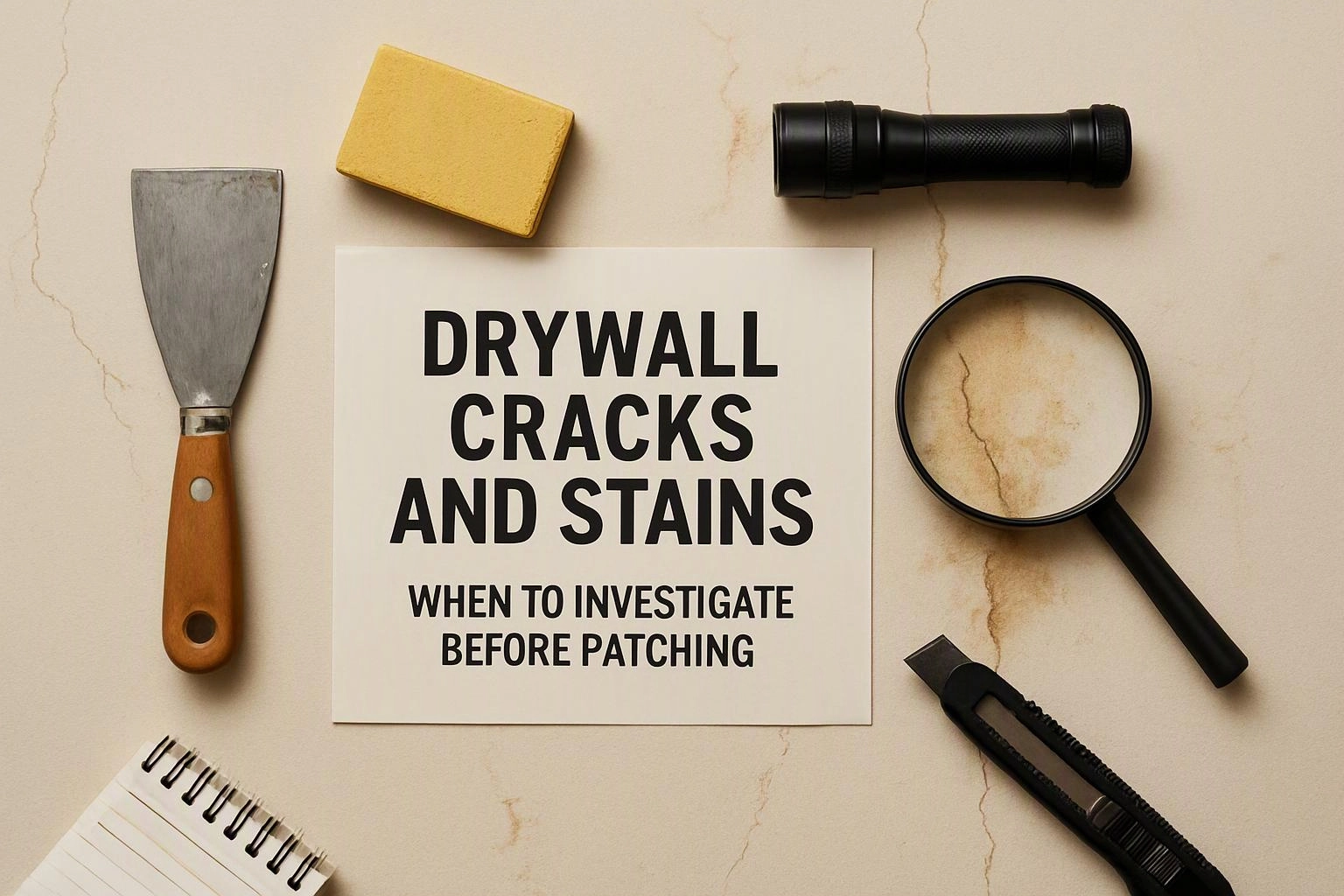
Why Recurring Drywall Damage Needs Investigation
Recurring drywall cracks and stains need investigation when underlying moisture or movement hasn't been resolved.
A patch only restores the visible surface. Moisture intrusion, building movement, or a failed drywall repair can cause the damage to return.
We follow the damage back to its likely source before starting drywall repair. This approach helps us choose the right repair and reduces the chance of another surface failure.
For broader repair needs, our Drywall Repair service can include damaged panel removal, seam repair, and painting preparation.
What Cracks and Stains Can Reveal
Cracks and stains can point to different conditions, so the pattern and location matter.
We compare the visible damage with nearby plumbing, roof areas, openings, and wall movement before selecting a patching method.
| Visible condition | What it may reveal | What we check |
|---|---|---|
| Hairline crack | A surface seam or minor movement | Length, direction, and whether it returns |
| Joint crack | A drywall seam or weak joint repair | Drywall tape, joint compound, and panel movement |
| Ceiling crack | Movement, water damage, or a loose panel | Fasteners, sagging, moisture, and the ceiling surface |
| Water stain | A past or active leak | Plumbing lines, roof areas, and the moisture source |
| Mold-related marking | Persistent dampness or hidden moisture | Wet materials and conditions inside the wall |
| Crack linked to settlement | Building movement affecting the finish | Pattern, nearby openings, and changes over time |
Patching a Crack Without Checking for Movement
Patching a recurring crack without checking movement usually repairs the symptom, not the cause.
A drywall seam can open when the framing shifts or the joint tape loses its bond. New joint compound may cover the line briefly, but the recurring crack can return as the wall moves.
We inspect the crack pattern and surrounding surface before choosing crack repair materials. The repair scope may include removing loose material, reinforcing the seam, and restoring the finish.
Painting Over a Water Stain Before Finding the Leak
Painting over a water stain before finding the leak can trap the problem behind a clean surface.
A ceiling stain may come from a plumbing leak, a roof leak, or another moisture source. New paint can hide the mark while water damage continues below.
We identify the likely source before surface restoration. After the area is dry and sound, we can use stain-blocking primer and prepare the surface for interior painting.
Treating a Ceiling Stain as Only a Paint Problem
A ceiling stain needs more than paint when the ceiling drywall is soft, swollen, or still damp.
Water damage can weaken the panel and affect the wall cavity above it. Leak detection helps separate an old mark from an active leak.
We check the condition of the ceiling drywall before planning ceiling repair. The fix may involve removing damaged material, correcting the moisture source, and restoring the surface.
Ignoring Cracks Near Doors, Windows, and Corners
Cracks near doors, windows, and corners deserve attention because those areas can show wall movement.
A corner bead can loosen, and a drywall seam near a door frame or window opening can split. These cracks may also reflect movement where different materials meet.
We inspect the opening, corner bead, and nearby seams before applying a patch. The repair scope depends on whether the damage is limited to the finish or involves wall movement.
Replacing Damaged Drywall Without Fixing Moisture
Replacing damaged drywall without fixing moisture allows the same damage to return.
Moisture intrusion can leave wet insulation or damp framing inside the wall. New drywall may absorb moisture when the source remains active.
We locate the moisture source and assess the surrounding materials before drywall replacement. Our work can then address damaged drywall and prepare a stable surface for finishing.
Skipping the Cause of a Loose or Bulging Surface
Loose drywall or bulging drywall can signal failed fasteners, water damage, or pressure inside the wall cavity.
Fasteners can pull away from framing, and wet materials can lose their shape. A surface patch won't correct a panel that no longer sits securely.
We check the panel, fasteners, and nearby wall cavity before deciding on repair or replacement. The final repair must leave the surface secure and ready for finishing.
Sanding and Painting Before the Repair Is Stable
Sanding and painting before the repair is stable can make ridges, cracks, and stains show through again.
Joint compound needs a sound base, and primer needs a properly prepared surface. Interior painting cannot hide movement, dampness, or an uneven repair for long.
We check the repaired area before sanding, primer, and paint touch-up. Our surface preparation includes smoothing transitions and addressing visible defects before painting.
Using the Same Patch for Every Crack
Every crack needs a patching method that matches its size, location, and cause.
A hairline crack may need a different approach from a wide crack. A damaged drywall seam may need drywall tape and joint compound, while a loose panel may need more extensive work.
We match the repair method to the crack pattern and panel condition. This helps the finished surface blend with the surrounding wall.
How We Check Drywall Cracks and Water Stains
We check drywall cracks and water stains by reviewing the surface, likely moisture source, and repair scope.
Our process helps separate cosmetic damage from conditions that need deeper repair.
What Changes the Cost of This Drywall Repair
The cost of recurring drywall repair depends on the damaged area, access, moisture removal, replacement needs, and painting preparation.
Repair area affects material use and finishing work. Hidden moisture damage, wet insulation, difficult access, and drywall replacement can expand the repair scope.
Surface preparation also affects the quote when stains, texture, seams, or old patches need attention. We provide a repair quote after reviewing the visible damage and the work needed to restore the surface.
Our consultations are free, and the quote explains the repair work included.
When to Call HomeRemodelSammamish.com Before Patching
Call us before patching when damage returns, feels soft, spreads, or appears linked to moisture.
These signs can point to an active problem that surface work won't solve. Our team can review the condition and explain the appropriate repair scope.
Repair the Cause Before Restoring the Surface
Drywall repair lasts longer when the cause is addressed before surface restoration.
We can assess recurring cracks, water stains, damaged drywall, and moisture-related surface failure. Our work may include drywall replacement, drywall installation, joint repair, primer, and interior painting.
When plumbing, roofing, electrical, or structural conditions are involved, use the properly licensed trade for that work. We can coordinate the drywall portion after the underlying condition is safe and resolved.
Contact us to discuss the visible damage and request a repair quote.
Questions About Drywall Cracks and Water Stains
Can recurring drywall cracks mean there is moisture behind the wall?
Yes, recurring drywall cracks can mean moisture is affecting the wall, but building movement and failed repairs can also cause them. We check the crack pattern, nearby plumbing, wall condition, and possible moisture source before patching.
What does a brown water stain on drywall usually indicate?
A brown water stain on drywall usually indicates past or active water intrusion. Possible sources include a plumbing leak, roof leak, condensation, or moisture from an adjacent area.
Can damaged drywall be repaired if the leak has already stopped?
Yes, damaged drywall can be repaired after the leak has stopped when the material is dry, stable, and free from ongoing damage. We check for soft areas, staining, weakened seams, and affected insulation before choosing repair or replacement.
Why does a drywall patch show through fresh paint?
A drywall patch can show through fresh paint when the surface preparation is uneven or the repaired area absorbs paint differently. Sanding, primer, joint blending, and proper paint application help create a more consistent finish.