What materials work well for custom built-in construction?
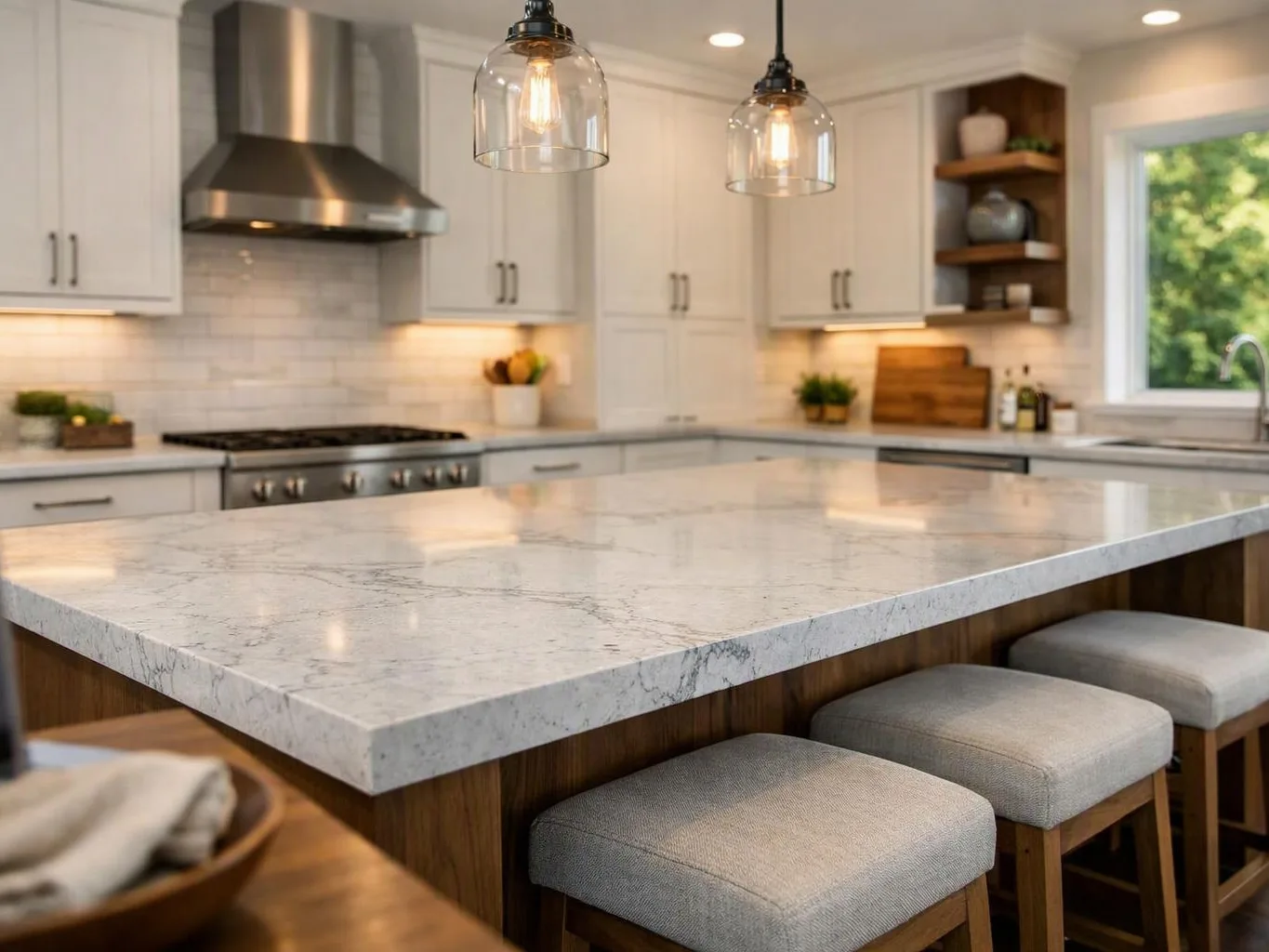
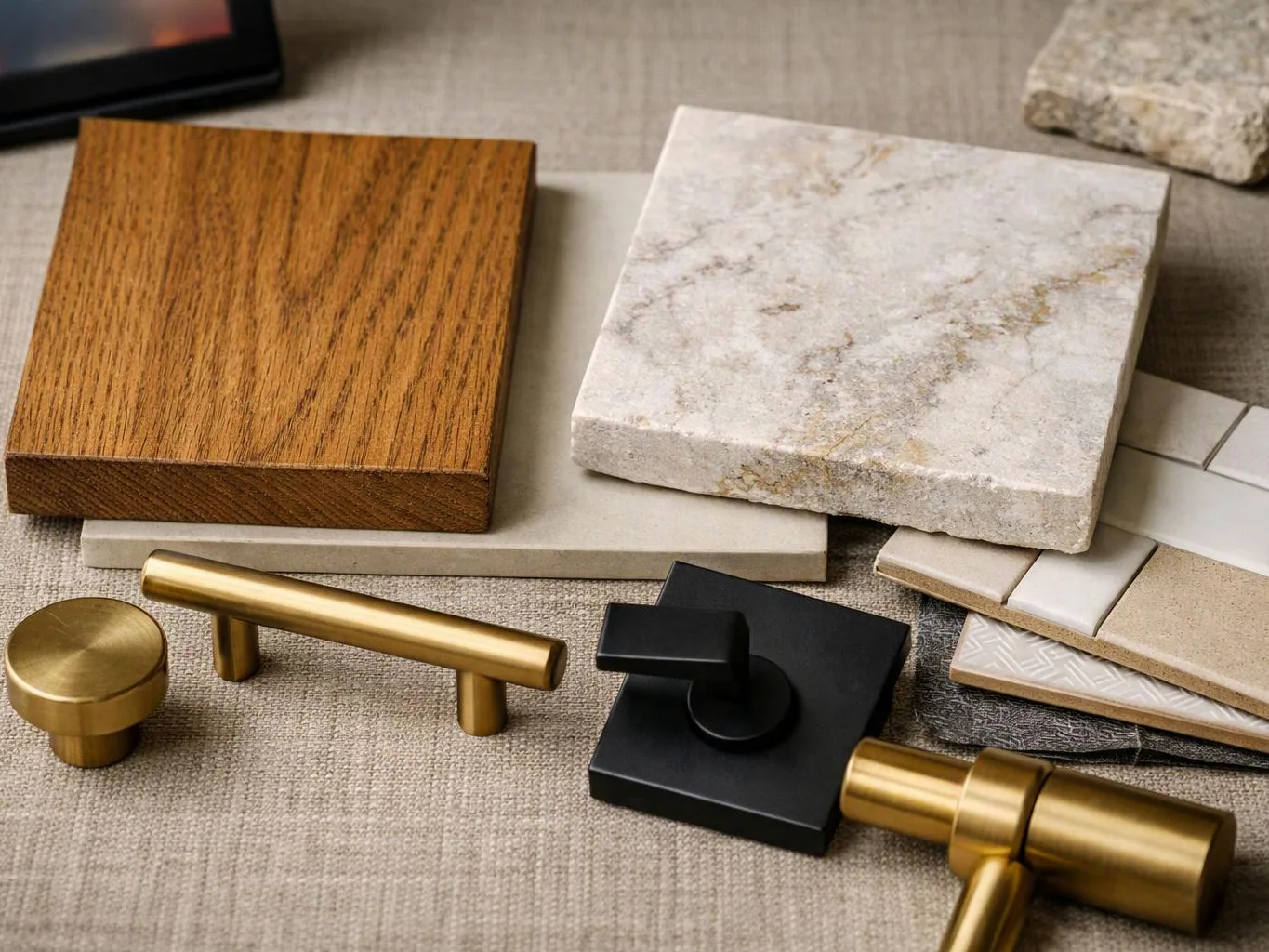
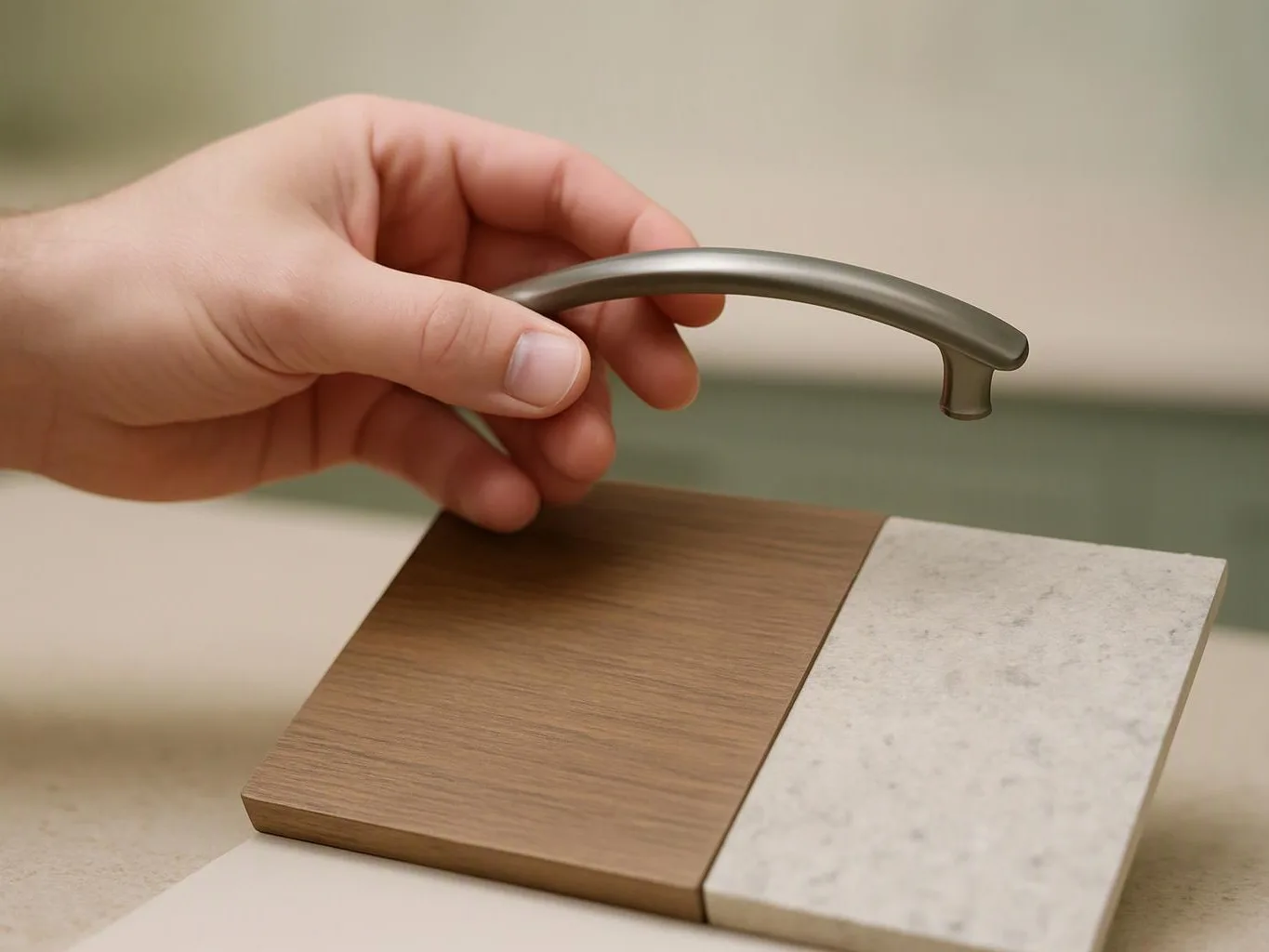
Solid wood works well for visible built-in parts where natural grain and strong edge detail matter. Cabinet plywood suits cabinet boxes and shelves. Painted MDF gives a smooth surface for painted sections, while wood trim finishes the transitions. We compare these materials by use, finish, load, and the room's design before the quote is prepared.
How does the first consultation lead to a finished built-in?
The first consultation sets the room goals, material direction, and construction scope. We then review access, wall conditions, cabinet layout, finish details, and related work. The quote reflects those decisions. After the scope is defined, scheduling and construction planning can move forward with fewer open choices.
Which part of a room changes the built-in scope most?
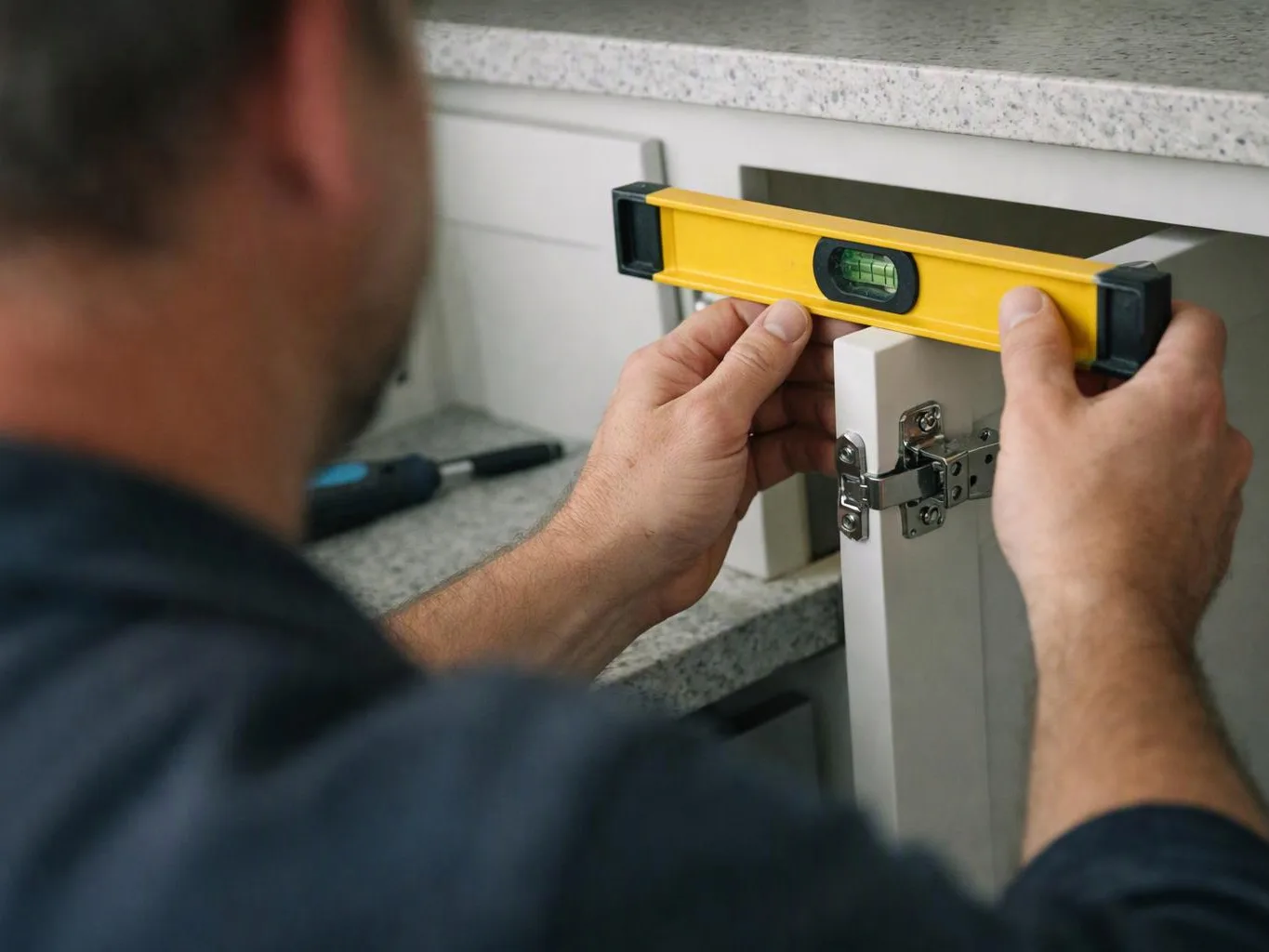
The wall and its nearby openings usually shape the built-in scope most. Doors, windows, outlets, plumbing, and electrical features affect cabinet depth, access, trim, and installation. The intended storage also matters because heavy items need different shelf and cabinet planning than display pieces.
When is a built-in a poor fit for a property?
A built-in is a poor fit when the room needs movable furniture or when fixed construction would block access. Wall condition, ownership limits, planned moves, and nearby utilities should be reviewed first. A consultation can identify whether fitted cabinets, freestanding pieces, or another interior improvement better suits the property.
Why does painted MDF suit some cabinet parts?
Painted MDF suits cabinet parts that need a smooth, even painted surface. The material works well for selected doors, panels, and trim details when natural grain is not the goal. Cabinet plywood or solid wood may suit other parts, so the full material plan should match use, visibility, and finish.
How should I compare a general contractor with separate trades?
A general contractor coordinates design, planning, construction, and related trades under one project scope. Separate trades require you to connect those decisions and schedules yourself. Our design-build process keeps the cabinet plan, material choices, quotation, and construction work connected from the first discussion through completion.